


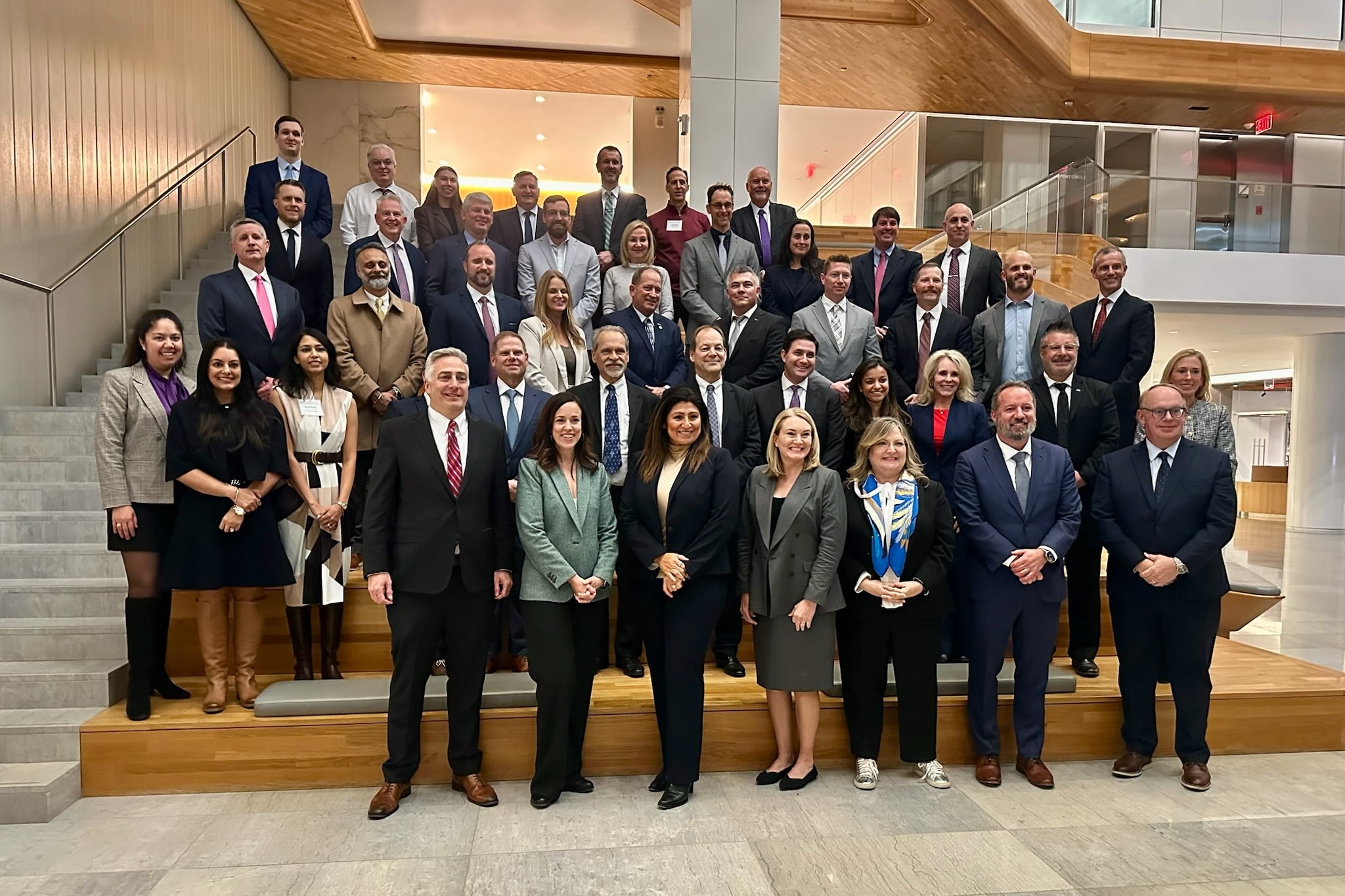
Three days in Washington.
More than 75 meetings.
Nearly 60 industry leaders representing over 650,000 American workers.
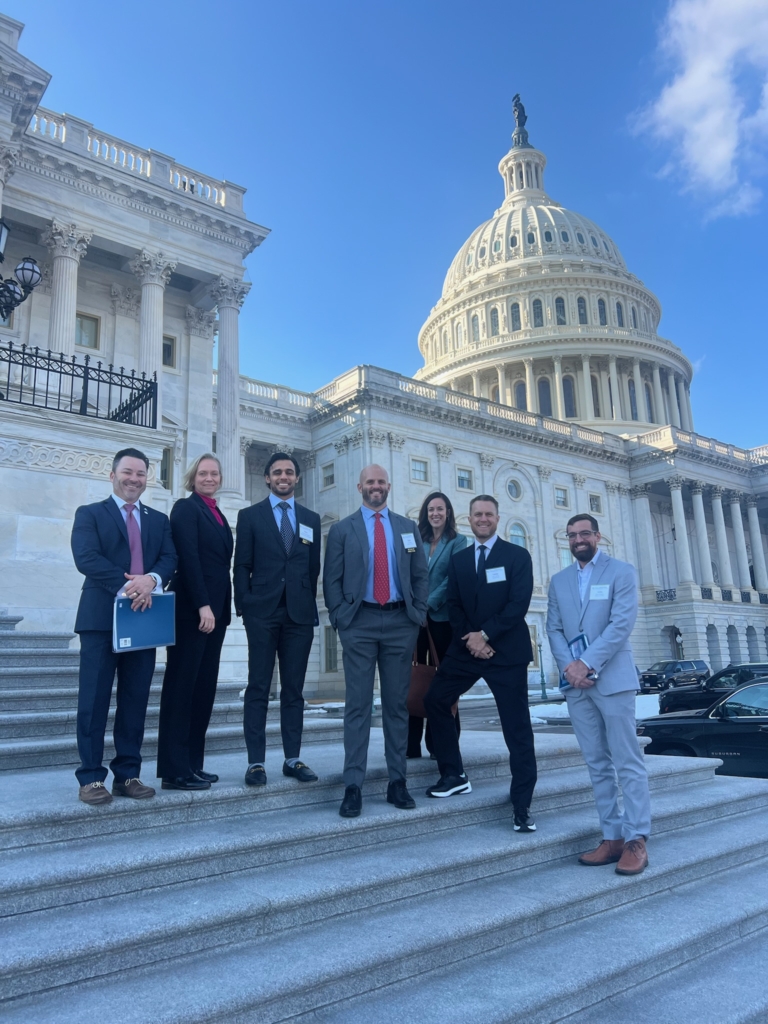
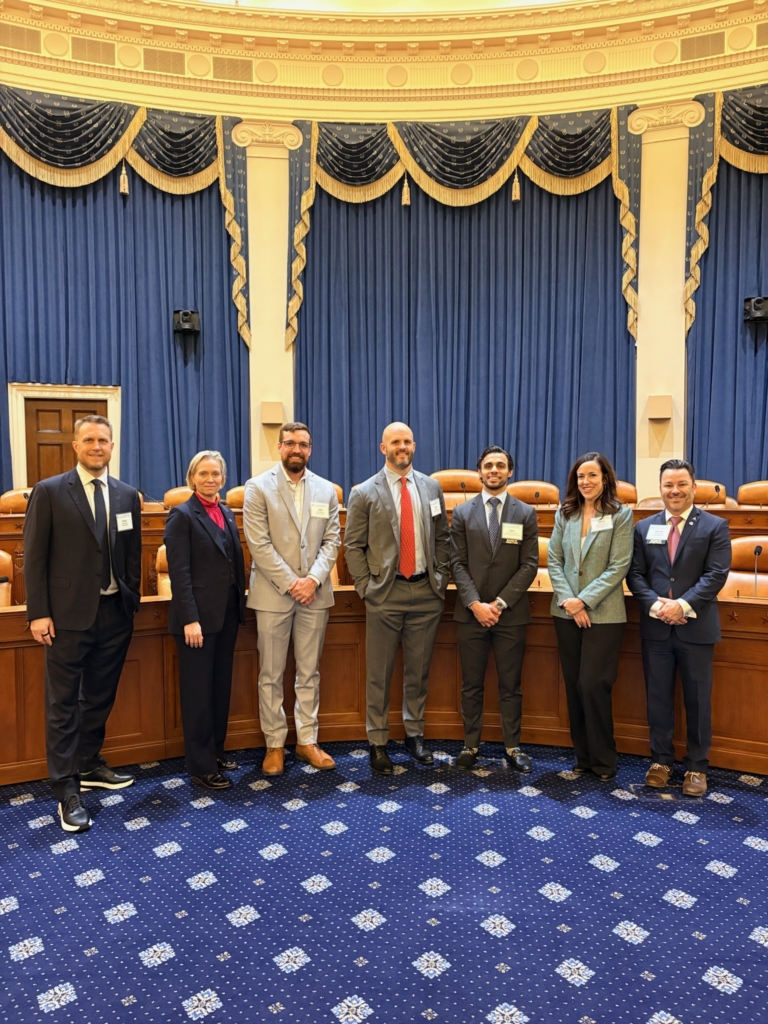
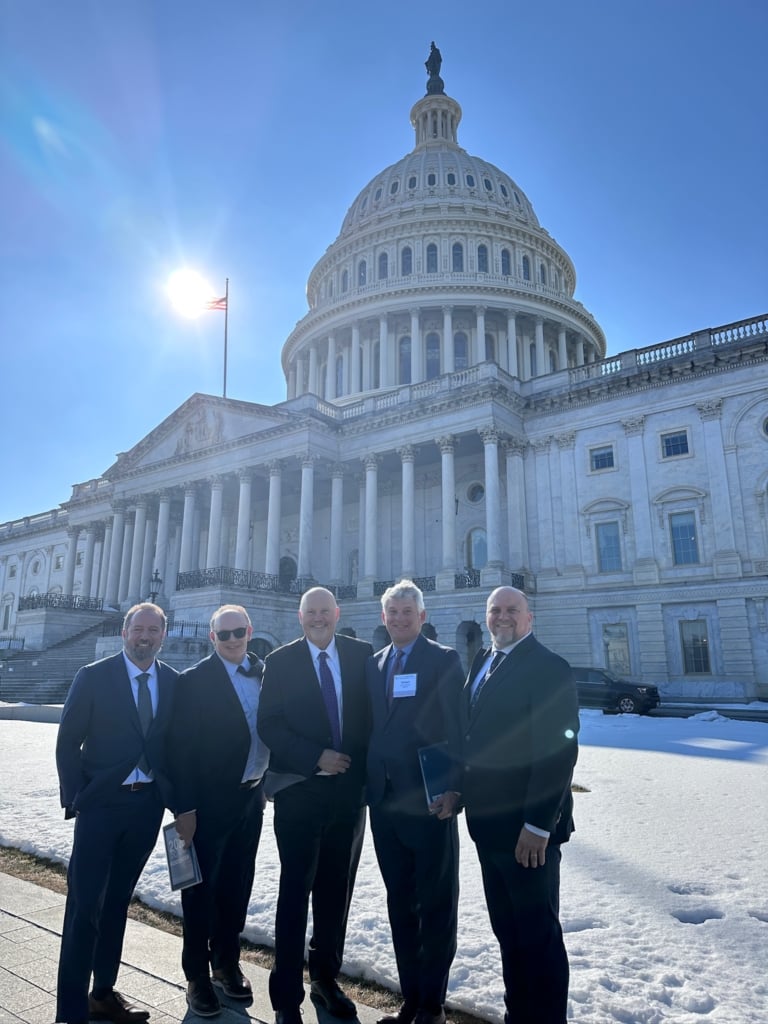
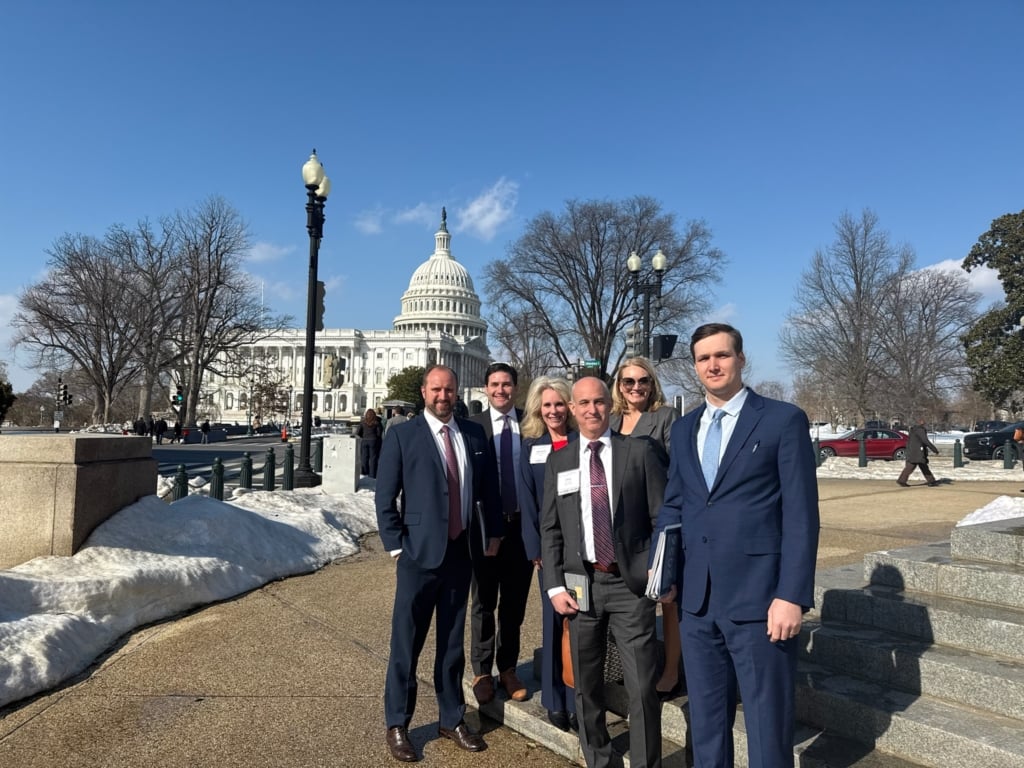
The Energy Workforce & Technology Council returned to Capitol Hill for its largest Fly-In to date, bringing the people who build, manufacture, and execute U.S. energy projects directly into the policy conversation.
The Energy Workforce & Technology Council returned to Capitol Hill for its largest Fly-In to date, bringing the companies that build, manufacture and deliver U.S. energy projects directly into the policy conversation.
EWTC member came to Washington with a clear message: energy services companies are powering America forward.
Throughout the week, executives met with administrative agencies and leaders in both chambers of Congress, to underscore that policy decisions made in Washington show up immediately in American energy production, impacting not only project costs, but the men and women of the energy workforce.
Companies represented at the 2026 Washington DC Fly-In included: Member Companies represented at the 2026 Washington DC Fly-In included: AMGAS Services Inc., Atlas Energy Solutions, Axis Energy Services, Baker Hughes, BRG, Capstone, Cat Oil & Gas, ChasmBridge, CoilSync, Deloitte, Eastham Enterprises, Enserva, Evolution Well Services, Forum Energy Technologies, FLINT Corp., Flotek, Flowco, GD Energy Products, GO Wireline LLC, Halliburton, Heidrick & Struggles, H&P, HMH, ITC Tax, Levare, Liberty Energy, Lockton, Milestone Environmental, Mustang Cat, NOV, Peak Completions, Pioneer Leadership Advisors, ProFrac Services, ProPetro Services, Inc, Ranger Energy Services, LLC, SLB, Solaris Energy Infrastructure, Vulcan Industrial, and Weatherford.
From the Field to Federal Policy
Throughout the week, Energy Workforce members met with lawmakers on both sides of the aisle, in the House and Senate, as well as senior Administration officials, to discuss the real-world operational impacts of federal policy. Conversations focused on practical outcomes, including permitting reform, supply chain challenges, workforce shortages, and rising global power demand.
Throughout the day, nearly 60 EWTC member company executives took to Capitol Hill, navigating the halls of power to meet with Congressional members who serve on the U.S. Senate Committee on Energy and Natural Resources Committee, House Committee on Energy and Commerce, and House Committee on Natural Resources, in addition to members with a high concentration of OFS in their districts.
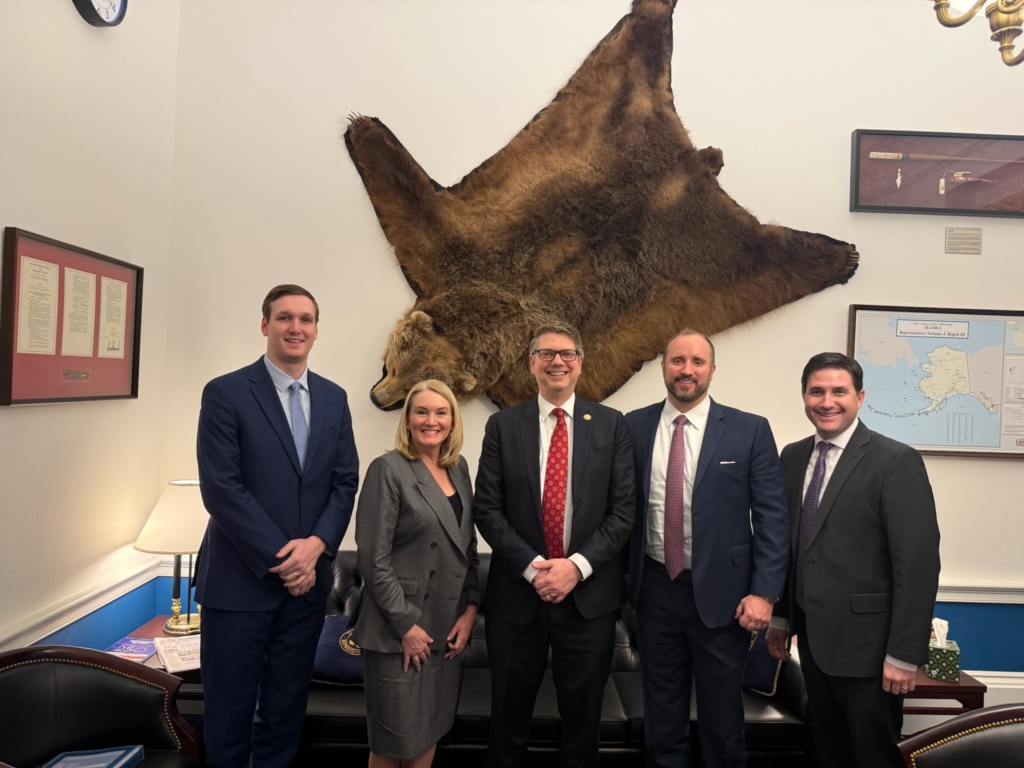
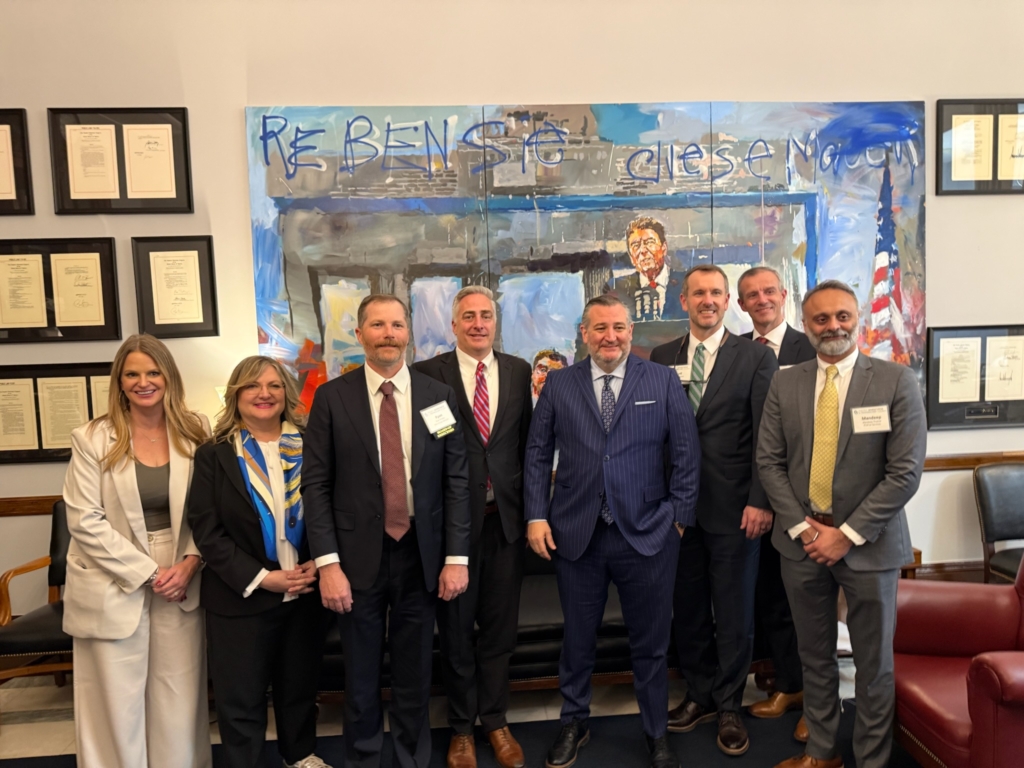
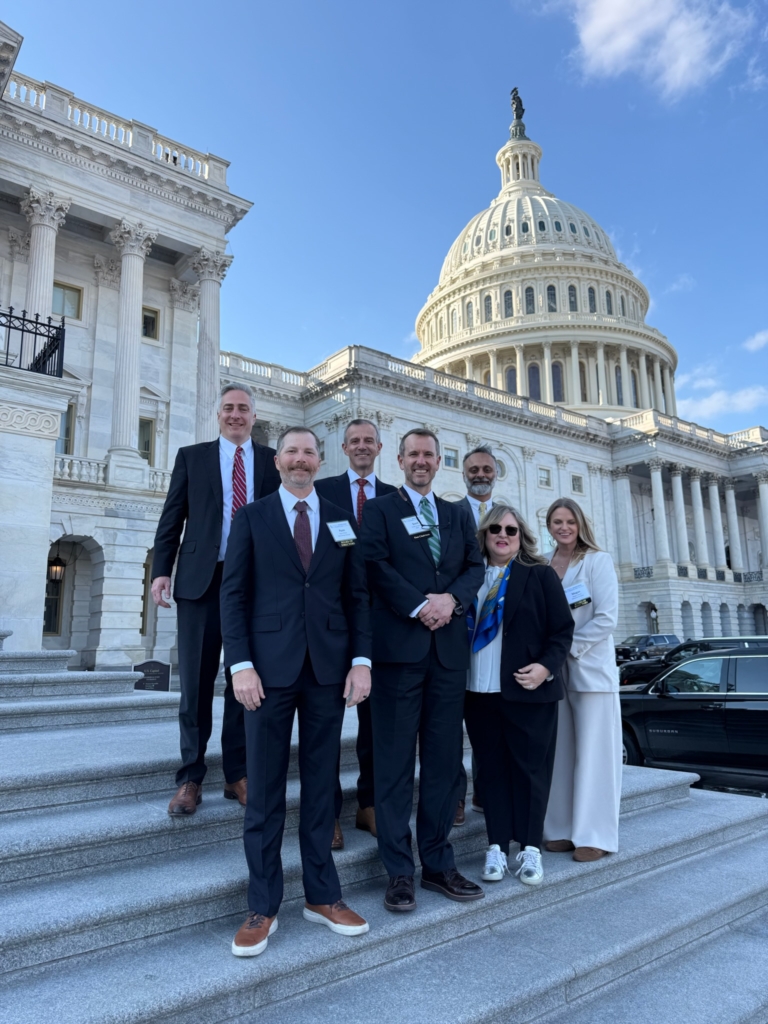
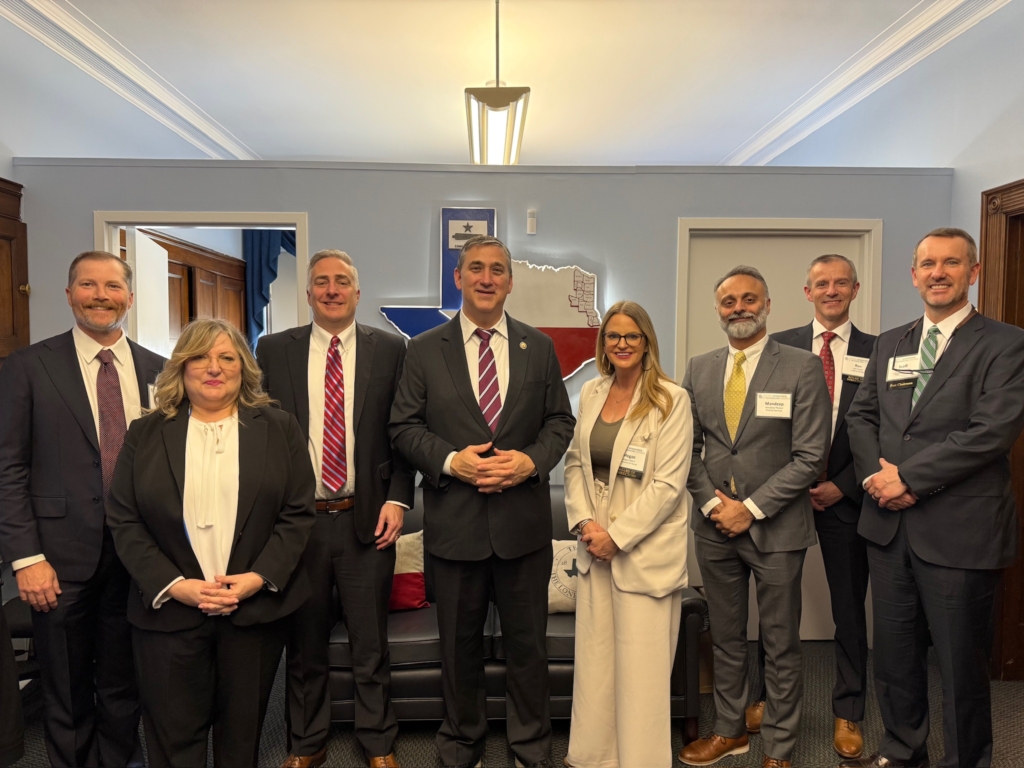
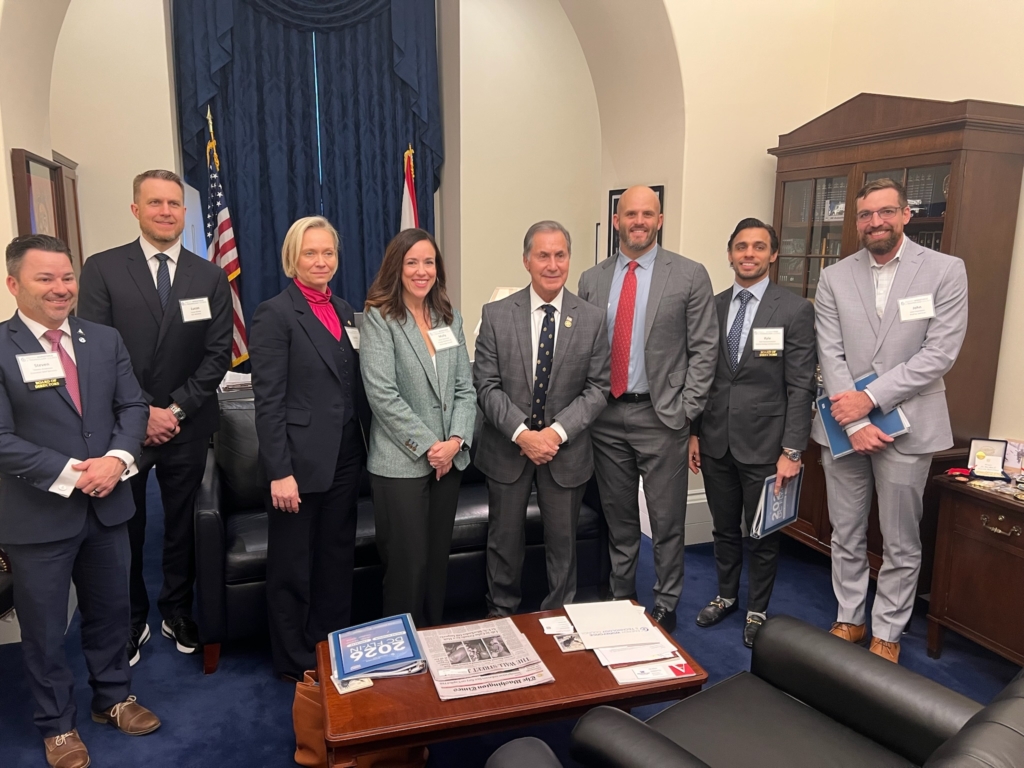
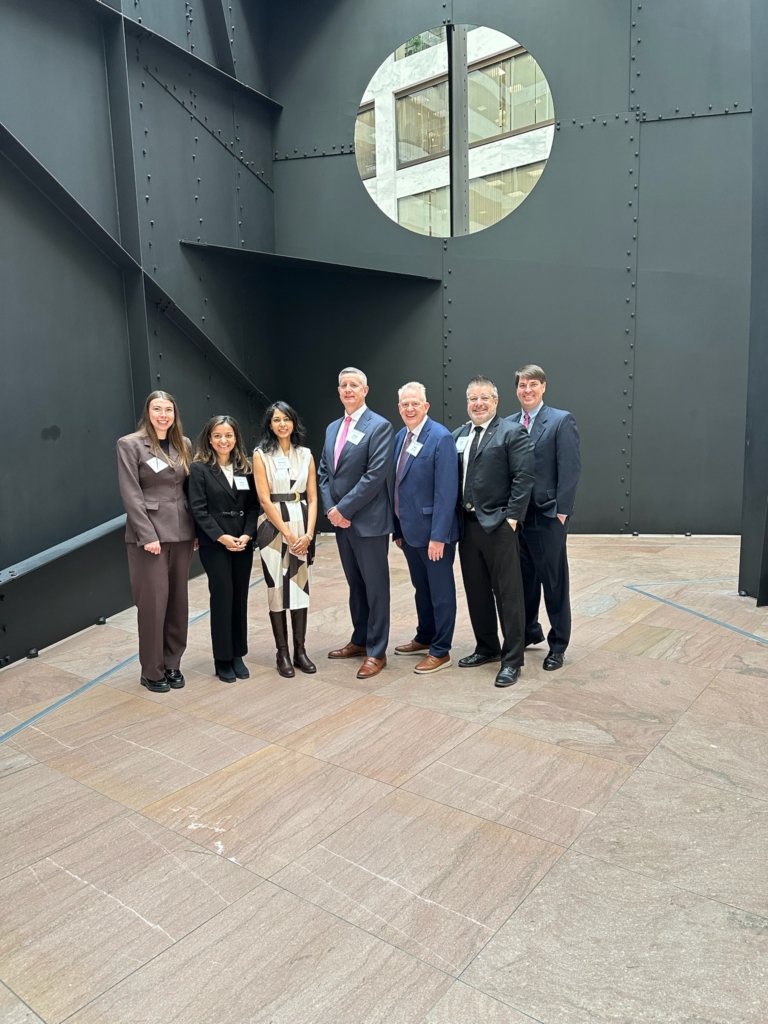
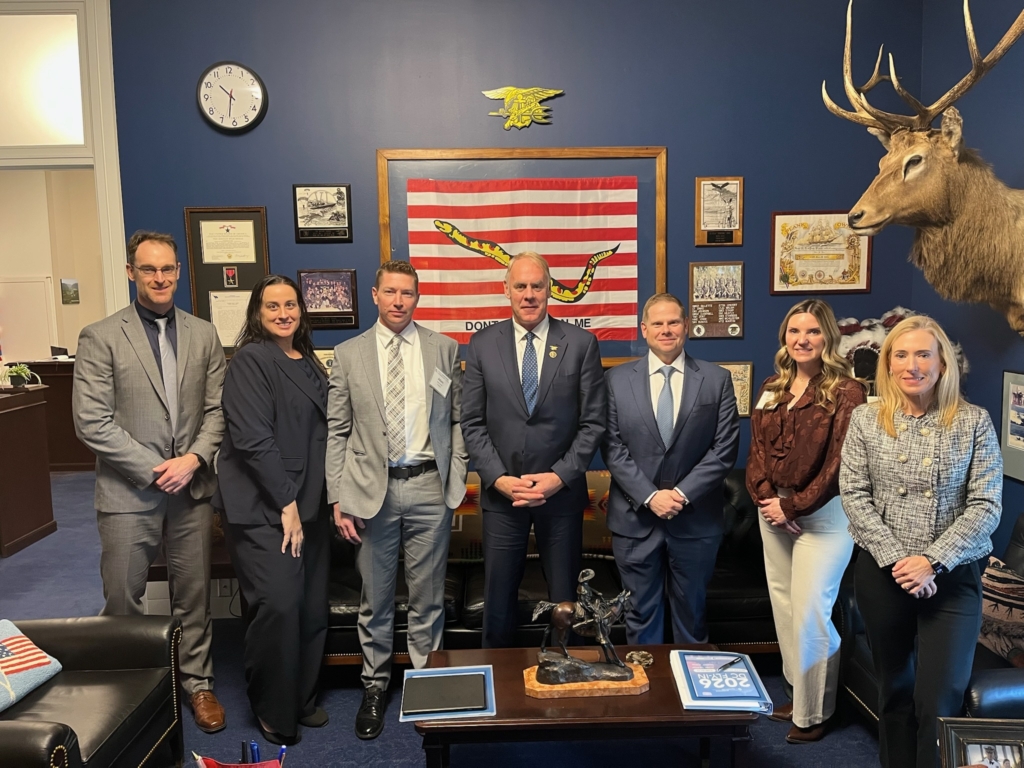
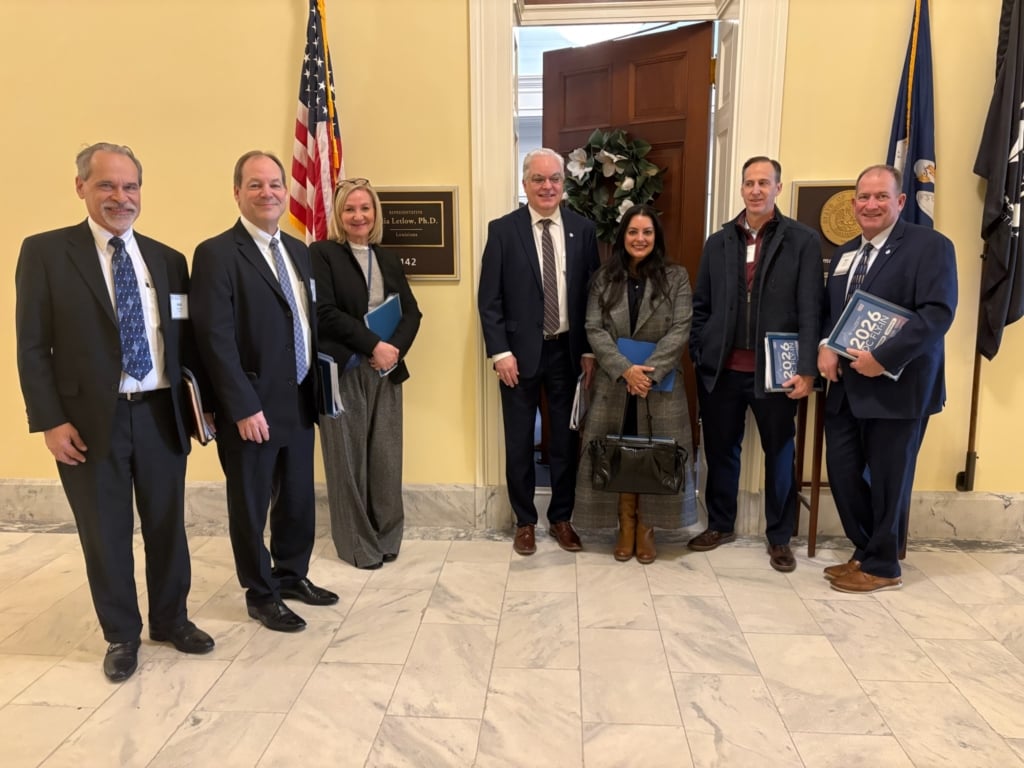
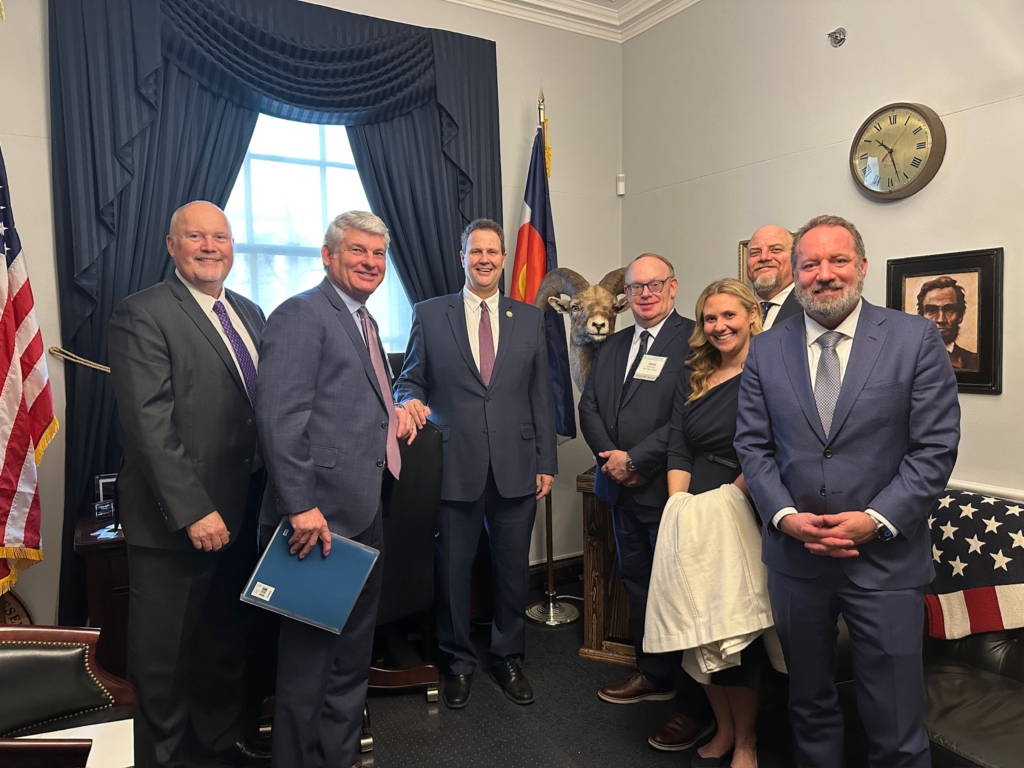
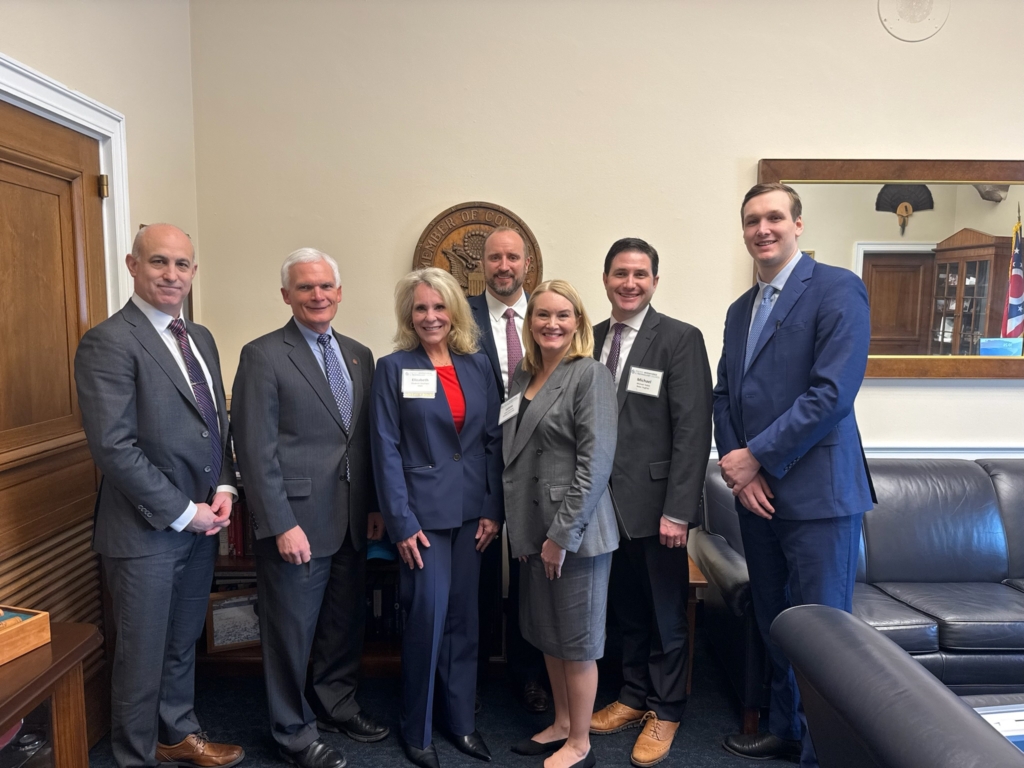
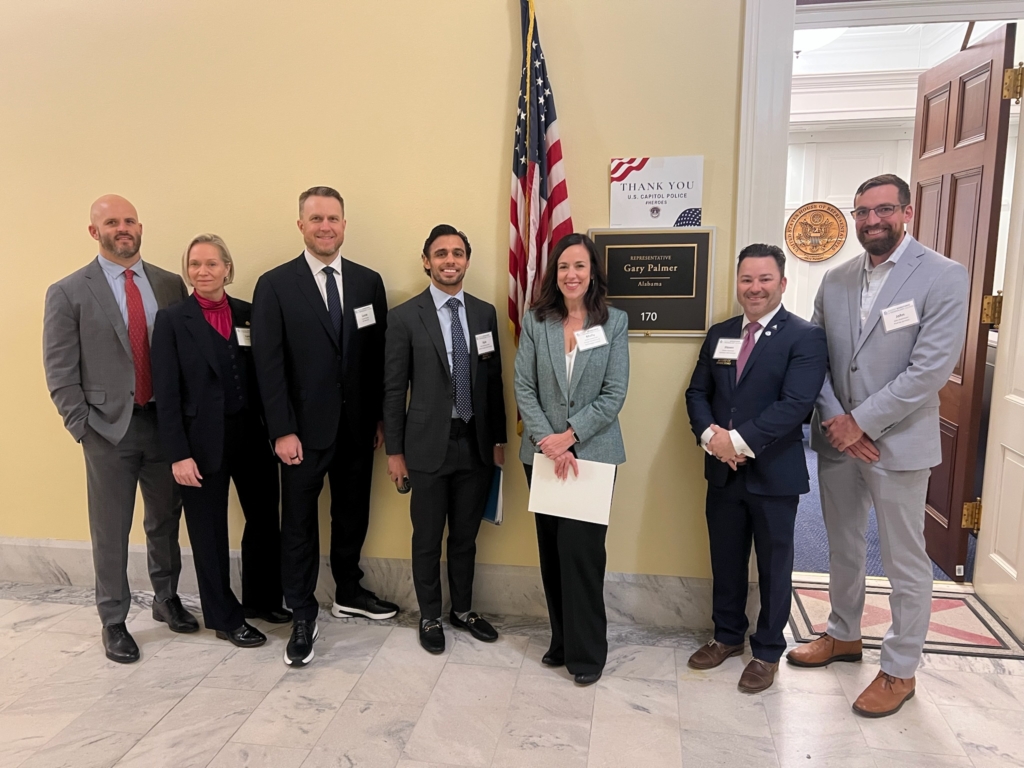
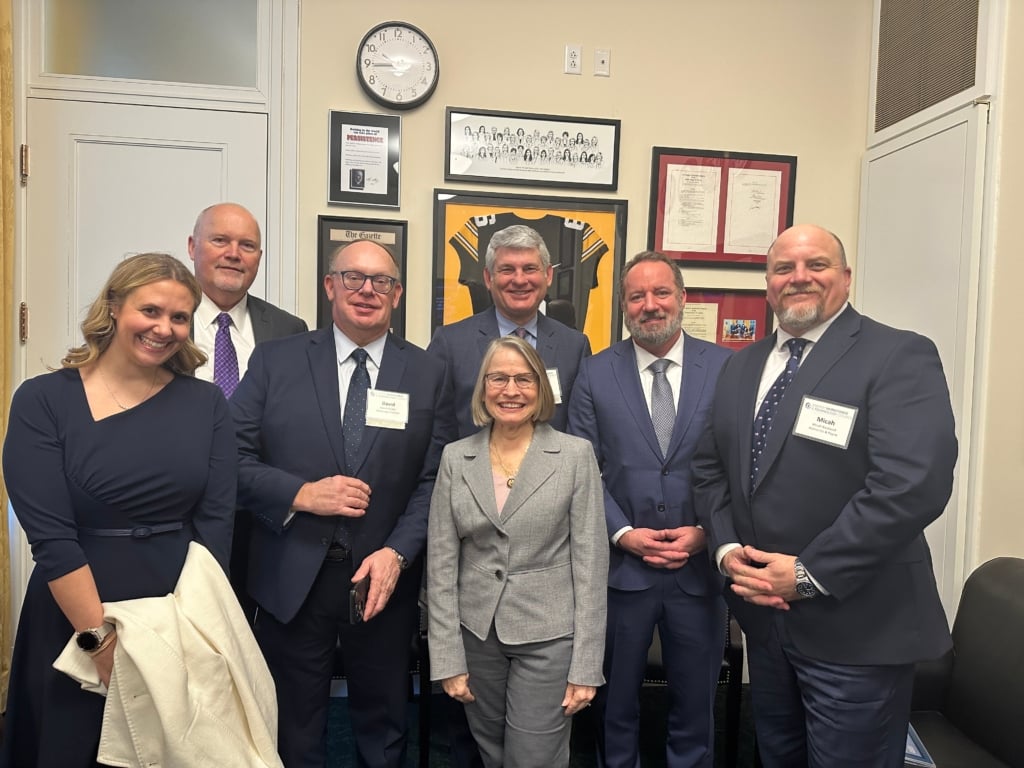
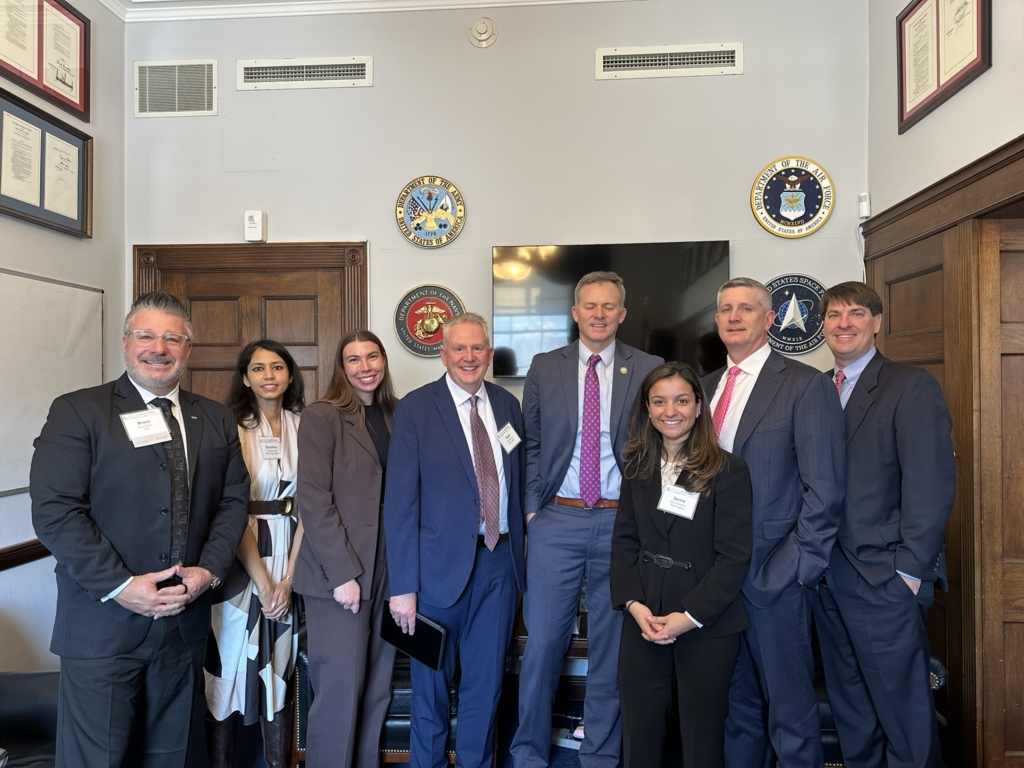
Congressional Meetings included:
- Michael Bennet (CO)
- John Kennedy (LA)
- Ben Ray Lujan (NM)
- Martin Heinrich (NM)
- James Lankford (OK)
- Markwayne Mullin (OK)
- John Cornyn (TX)
- Ted Cruz (TX)
- John Curtis (UT)
- Mike Lee (UT)
- Angus King (ME)
- Tim Sheehy (MT)
- John Fetterman (PA)
- Nick Begich (AK-At Large)
- Gary Palmer (AL-06)
- Bruce Westerman (AR-04)
- Sen. Ruben Gallego AZ)
- Doris Matsui (CA-07)
- Scott Peters (CA-50)
- Dave Min (CA-47
- Adam Gray CA-13)
- Diana DeGette (CO-01)
- Jeff Crank (CO-05)
- Neal Dunn (FL-02)
- Kat Cammack (FL-03)
- Gus Bilirakis (FL-12)
- Buddy Carter (GA-01)
- Rick Allen (GA-12)
- Mariannette Miller-Meeks, M.D. (IA-01)
- Jefferson Shreve (IN-06)
- Cleo Fields (LA-06)
- Julia Letlow (LA-05)
- Congressman Clay Higgins (LA-03)
- Julie Fedorchak (ND-At Large)
- Gabe Vasquez (NM-02)
- Frank Lucas (OK-03)
- Stephanie Bice (OK-5)
- Max Miller (OH-07)
- Mike Rulli (OH-06)
- Bob Latta (OH-05)
- Russell Fry (SC-07)
- Nathaniel Moran (TX-01)
- Dan Crenshaw (TX-02)
- Lizzie Fletcher (TX-07)
- Craig Goldman (TX-12)
- Beth Van Duyne (TX-24)
- Brandon Gill (TX-26)
- Henry Cuellar (TX-28)
- Marc Veasey (TX-33)
- Rep. Vicente Gonzalez (TX-34)
- Wesley Hunt (TX-38)
- Blake Moore (UT-01)
- Mike Kennedy (UT-03)
- Harriet Hageman (WY-At-Large)
- Robin Kelly (IL-02)
- Jared Golden (ME-02)
- Pete Stauber (MN-08)
- Thomas Kean Jr. (NJ-07)
- John Mannion (NY-22)
- Josh Riley (NY-19)
- Dwight Evans (PA-03)
- Jennifer McClellan (VA-04)
- H. Morgan Griffith (VA-09)
- Emily Randall (WA-06)
- Michael Baumgartner (WA-05)
- Kim Schrier (WA-08)
- Jake Auchincloss (MA-04)
- Ryan Zinke (MT-01)
- Nick Langworthy (NY-23)
- Lloyd Smucker (PA-11)
Continuing the fly-in’s momentum on Capitol Hill, members gathered with Congressional Members at the Producers Lunch, highlighting members from top oil and gas producing states, including:
- Rep. Stephanie Bice (OK-05)
- Rep. Beth Van Duyne (TX-24)
- Rep. August Pfluger (TX-11)
- Rep. Dan Crenshaw (TX-02)
- Sen. John Curtis (UT)
- Chairman Bruce Westerman (AR-04)
The lunch focused on key policies driving American energy, with representatives from top energy-producing states sharing updates on policy priorities impacting the American workforce and domestic energy production.
What We Asked Congress to Fix
Energy Workforce advocated for a clear set of policy priorities shaped by companies operating in every producing basin and manufacturing region in the country.
1) Permitting Reform
- Projects cannot move forward when reviews have no timelines.
- Energy Workforce members urged Congress to establish predictable permitting schedules, coordinate federal and state reviews, and create firm deadlines for environmental approvals.
- Without reform, fewer permits mean fewer projects, higher costs, and more imports.
3) Energy Security & Global Stability
- Energy security is national security.
- Reliable domestic production allows the U.S. to support allies, stabilize markets, and meet rising global demand. Expanding LNG exports and ensuring consistent leasing schedules were central themes throughout the week.
2) Tariffs and Supply Chain
- Trade policy should protect American jobs without raising American energy costs. Members highlighted how tariffs on critical equipment delay projects and increase prices.
- EWTC supports enforcement against unfair trade practices while avoiding actions that unintentionally target U.S. energy production.
4) The American Workforce
- A strong industry requires skilled workers.
- Members emphasized apprenticeships, veteran pathways, and policies that help companies recruit and retain talent in a tight labor market.
Engagement with Administration Leadership
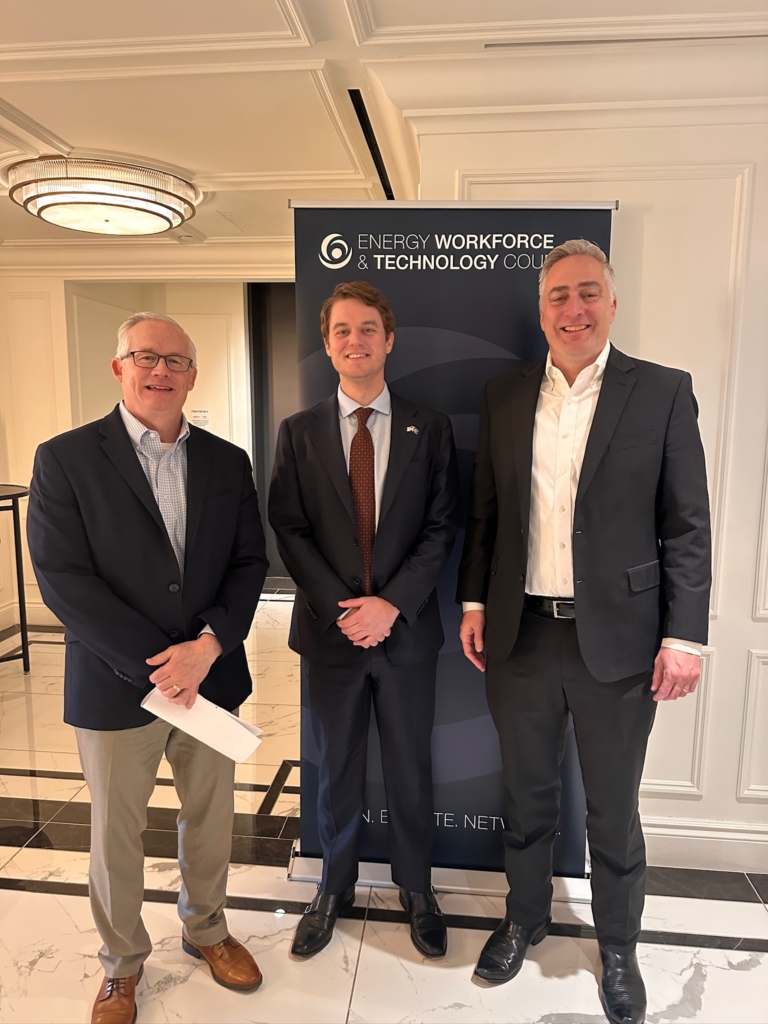
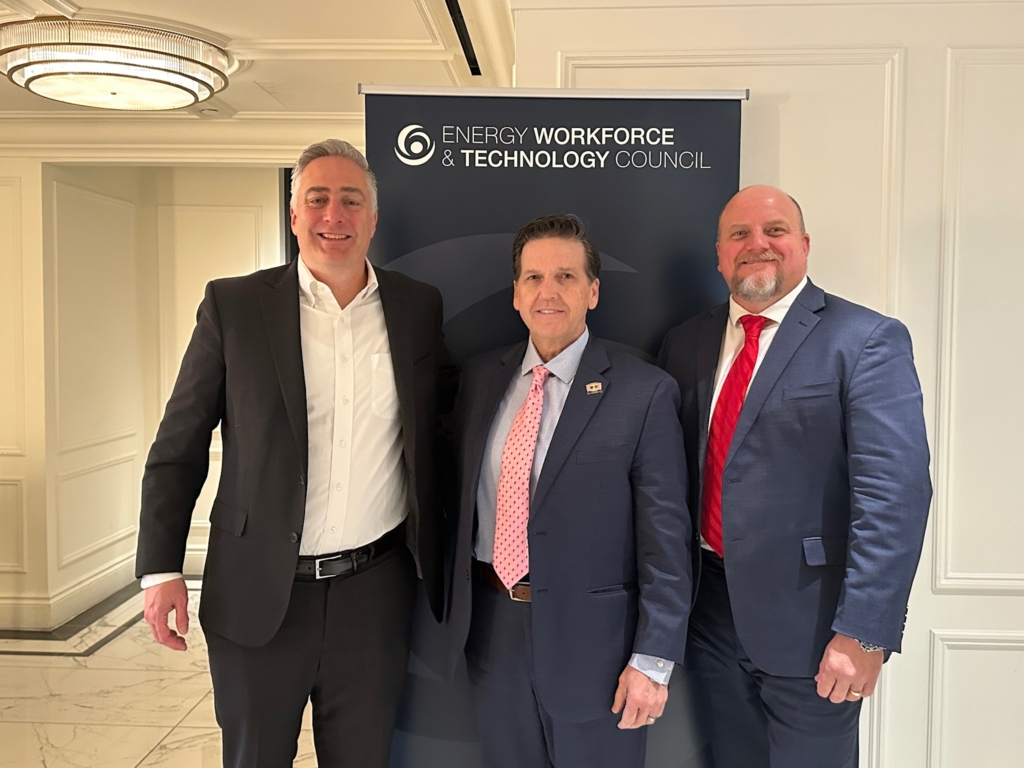
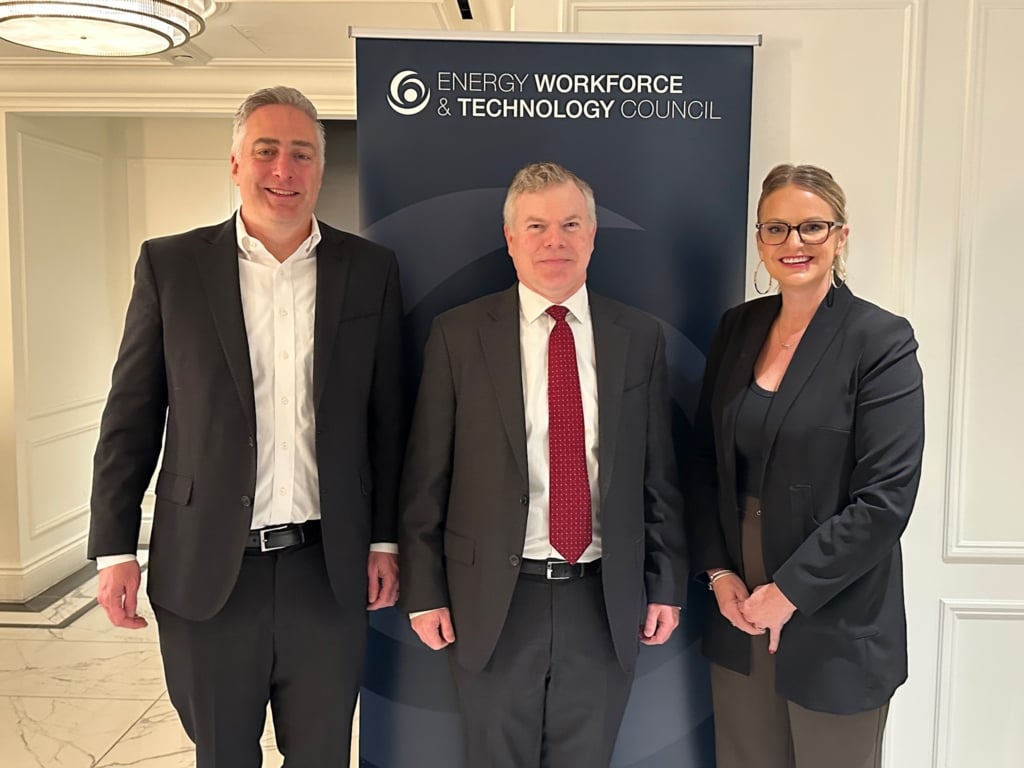
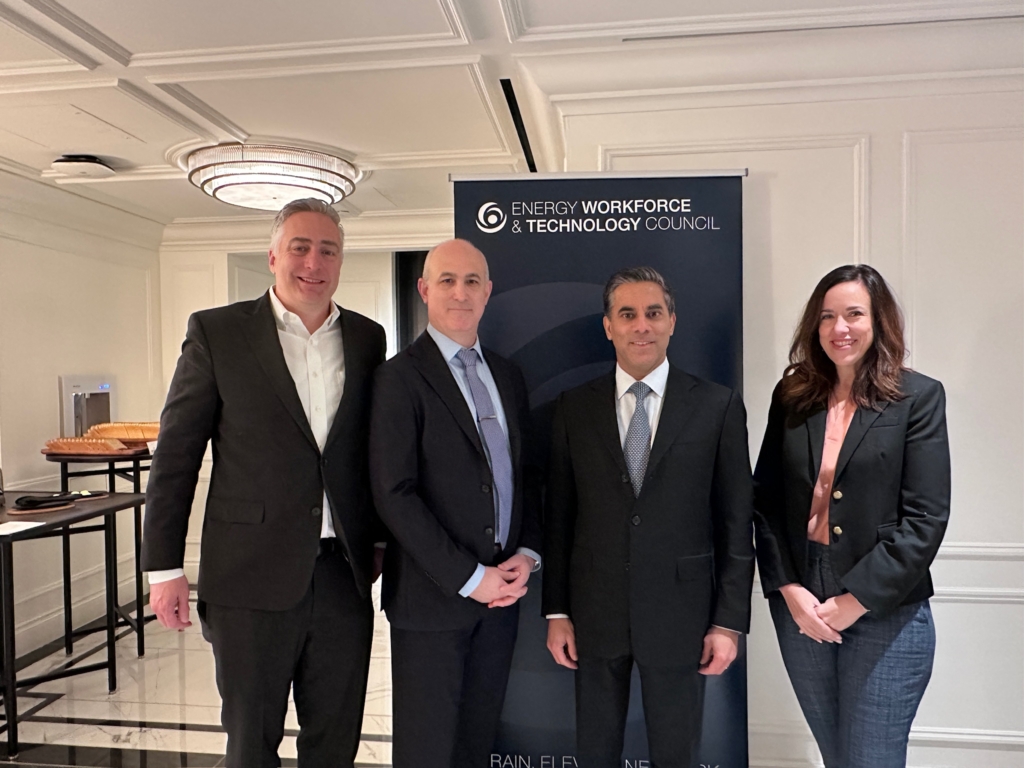
In addition to Capitol Hill meetings, members heard directly from senior Administration officials responsible for implementing federal energy policy.
The program included remarks from Reggie Singh at the U.S. Department of State and Ryan Peay at the U.S. Department of Energy, followed by a safety-focused fireside chat with OSHA Assistant Secretary David Keeling, moderated by EWTC HSE Committee Chair Micah Backlund. The Fly-In concluded with briefings from Matthew Giacona of the Bureau of Ocean Energy Management, Deputy Assistant Secretary for Land and Minerals Management Jake Tyner, and U.S. Department of the Treasury Treasurer Brandon Beach.
Across agencies, the conversation centered on strengthening American energy security, improving regulatory coordination, and ensuring policies reflect operational realities in the field. The consistent theme throughout these meetings was clear: reliable domestic energy depends on practical rules, strong supply chains, and the workforce that keeps projects running safely and efficiently.
Where Do We Go From Here?
The conversations that began in Washington continue back home in congressional districts, facilities, and communities across the country.
Energy Workforce will continue to follow up with offices, provide technical expertise during legislative drafting, and continue bringing operational experience into policy discussions throughout 2026. We also invite members of Congress and Administrative officials to join us for facility tours during in-district periods to learn about the operational realities of the energy services sector firsthand.
American energy leadership depends on predictable policy, reliable supply chains, and a skilled workforce.
Thank you to our event sponsors: ProFrac Services, Baker Hughes, Vulcan Industrial, Halliburton, ITC TAX – Industrial & Commercial Property Tax Advisors, Flowco, Inc., Flotek Industries, Inc.
