


Matthew Bennett, Sr. Manager IT Infrastructure and Cybersecurity, Ranger Energy Services, is a graduate of the Energy Workforce Executive Leadership Program. He recently shared his insights on the energy services and technology sector.
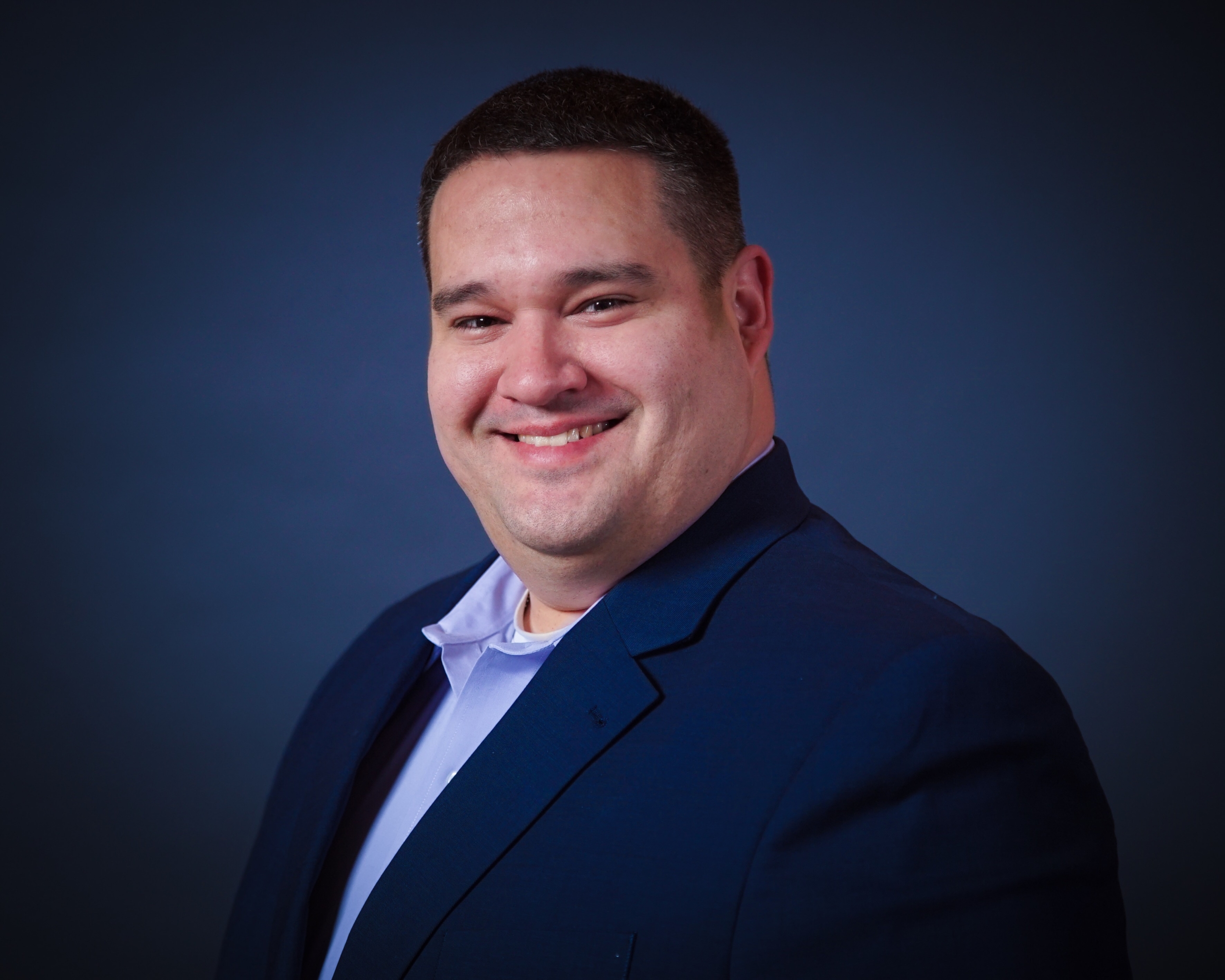
Energy Workforce: What is your role with the company? What are your core responsibilities? What does a typical day look like?
MB: I oversee enterprise-wide IT infrastructure and cybersecurity operations for Ranger Energy Services, supporting a workforce of roughly 2,200 users across corporate and field environments. My responsibilities span everything from cybersecurity strategy, cloud services, server and network architecture to incident response, and business continuity planning.
No two days are exactly alike, which is part of what I enjoy about the role. One day might involve reviewing security posture and risk mitigation strategies, while the next could be focused on improving connectivity for remote field teams or evaluating new technologies that can improve reliability and performance. At the core, my job is to make sure our people can do their jobs safely, securely, and without technology becoming an obstacle.
EW: Why did you join the energy industry? Was there an individual who influenced your decision? Was there an event or piece of technology that got you excited?
MB: I did not originally set out to work in the energy industry. My background is rooted in IT infrastructure and cybersecurity, and my path into energy came through opportunities that valued operational discipline and reliability.
What ultimately drew me in was the complexity and scale of the problems to be solved. Energy environments are demanding. Downtime is not theoretical, and decisions have real-world consequences. That level of responsibility appealed to me. The industry also challenges you to balance modernization with stability, which aligns closely with how I approach technology.
EW: What individual has been most instrumental in helping with your career? What did their mentorship look like, and how did it guide your path?
MB: I have been fortunate to work with leaders who valued trust, accountability, and giving people room to solve problems. Rather than one single mentor, my career has been shaped by individuals who set clear expectations and allowed me to grow through ownership.
That mentorship often looked like being handed difficult problems with the confidence that I would figure them out, while still having support when needed. That approach shaped how I lead today. I believe in empowering teams, setting direction, and being available without micromanaging.
EW: What was your impression of the industry beforehand and how has it evolved?
MB: Before entering the energy industry, I assumed it was slower to adopt change and heavily resistant to new ideas. What I have seen instead is an industry that understands the importance of innovation but approaches it cautiously and responsibly.
There is a strong appreciation for what works, paired with a growing recognition that modernization is necessary to remain competitive and resilient.
EW: What has surprised you most about the industry?
MB: What surprised me most is how collaborative the industry can be. While energy is certainly competitive, there is a strong culture of shared responsibility when it comes to safety, security, and operational reliability. Professionals are generally willing to share lessons learned, discuss challenges openly, and help one another avoid repeating mistakes, especially when the stakes are high.
I have also been impressed by how deeply people care about doing things the right way. There is a strong sense of ownership and pride in the work we do, along with an understanding that decisions made behind the scenes can have real-world impacts on people, equipment, and operations. That mindset reinforces the importance of discipline, preparation, and accountability, and it is one of the reasons I find the industry both challenging and rewarding.
EW: Where do you hope to see the industry develop over the next five years?
MB: I hope to see continued, thoughtful investment in technology that strengthens both security and workforce effectiveness. That includes improving connectivity for field operations, making better use of data to support decision-making, and continuing to mature cybersecurity practices so they are proactive and embedded into operations rather than treated as an afterthought.
Just as important is the development of talent. As experienced professionals begin to retire, there is a real opportunity to intentionally transfer knowledge while bringing in the next generation with modern technical skills and fresh perspectives. Success over the next five years will depend not only on the technology the industry adopts, but on how well it prepares and empowers people to use that technology safely, effectively, and responsibly.
EW: What role do you believe you will play in the industry’s future?
MB: I see my role continuing to focus on bridging technology and operations. That means helping organizations adopt modern tools in a way that supports reliability, safety, and risk management rather than disrupting them. My goal is to ensure that technology enhances how people work in demanding environments instead of adding unnecessary complexity
I see my role continuing to focus on bridging technology and operations. That means helping organizations adopt modern tools in a way that supports reliability, safety, and risk management rather than disrupting them. My goal is to ensure that technology enhances how people work in demanding environments instead of adding unnecessary complexity.
EW: How has your involvement in Energy Workforce supported your career goals?
MB: My involvement in Energy Workforce has provided valuable exposure to different perspectives across the industry, particularly around leadership, workforce development, and the future of energy. Engaging with professionals from a wide range of roles and backgrounds has reinforced the importance of developing talent intentionally and thinking beyond immediate operational needs.
Those conversations have influenced how I approach leadership by encouraging a broader view of how technology, people, and long-term planning intersect. The EWTC Executive Leadership course has helped me to begin intentionally stepping back from day-to-day execution and begin to think more deliberately and strategically about how to build teams and systems that are prepared to meet the needs of the business now and into the future.
EW: What’s a technology or innovation you’ve seen in the sector that impressed you?
MB: Secure access and connectivity solutions have been particularly impressive, especially as organizations support more distributed workforces and field operations. Technologies that improve performance while maintaining strong security controls have made it possible for teams to work more efficiently without increasing risk.
I have also been encouraged by the thoughtful adoption of automation and AI when it is applied with clear intent. When used to reduce repetitive tasks, improve visibility, or support decision-making, these tools can meaningfully enhance productivity and allow people to focus on higher-value work. The most successful implementations I have seen treat AI as an augmentation to human expertise rather than a replacement for it.
EW: What advice would you give someone just getting started in the energy industry?
MB: BBe curious and be dependable. Take the time to understand how the business actually operates, especially the realities of field work and operational constraints. Asking good questions and listening carefully will help you build context that cannot be learned from documentation alone.
Just as important, follow through on what you commit to. Accountability, communication, and consistency go a long way in an industry where trust matters. Technical skills will open doors, but reliability and professionalism are what ultimately set people apart and allow them to grow.
EW: What do you wish other people knew about oil and gas?
MB: I wish more people understood how much responsibility and care goes into the work. The industry is made up of professionals who take safety, reliability, and stewardship very seriously, and who understand the real-world impact of their decisions on people, communities, and the environment.
There is also far more innovation happening than many realize. From improvements in efficiency and safety to advances in technology and data-driven operations, the industry is continuously evolving. While those efforts may not always be visible from the outside, they are very real and driven by people who are committed to doing the work responsibly.
EW: What do you do for fun or what’s your idea of a perfect vacation?
MB: I enjoy spending time with my family and unplugging when possible. I also enjoy listening to music, watching movies, and playing chess.
EW: What’s a fun fact people would never guess about you?
MB: I have been in choir most of my life and I was fortunate enough to be in the Texas A&M Century Singers when they did a summer tour in Italy. We visited/performed at many sites and churches all over the Italian countryside. The best (and most memorable part) was that we got to cap off the entire trip by performing in the Vatican!
Click here to subscribe to the Energy Workforce newsletter, which highlights sector-specific issues, best practices, activities and more.
